The Last Train to Hollin
Maud has taken the 11:52 every Friday for thirty years. Tonight there is snow in the forecast and a stranger in her seat.
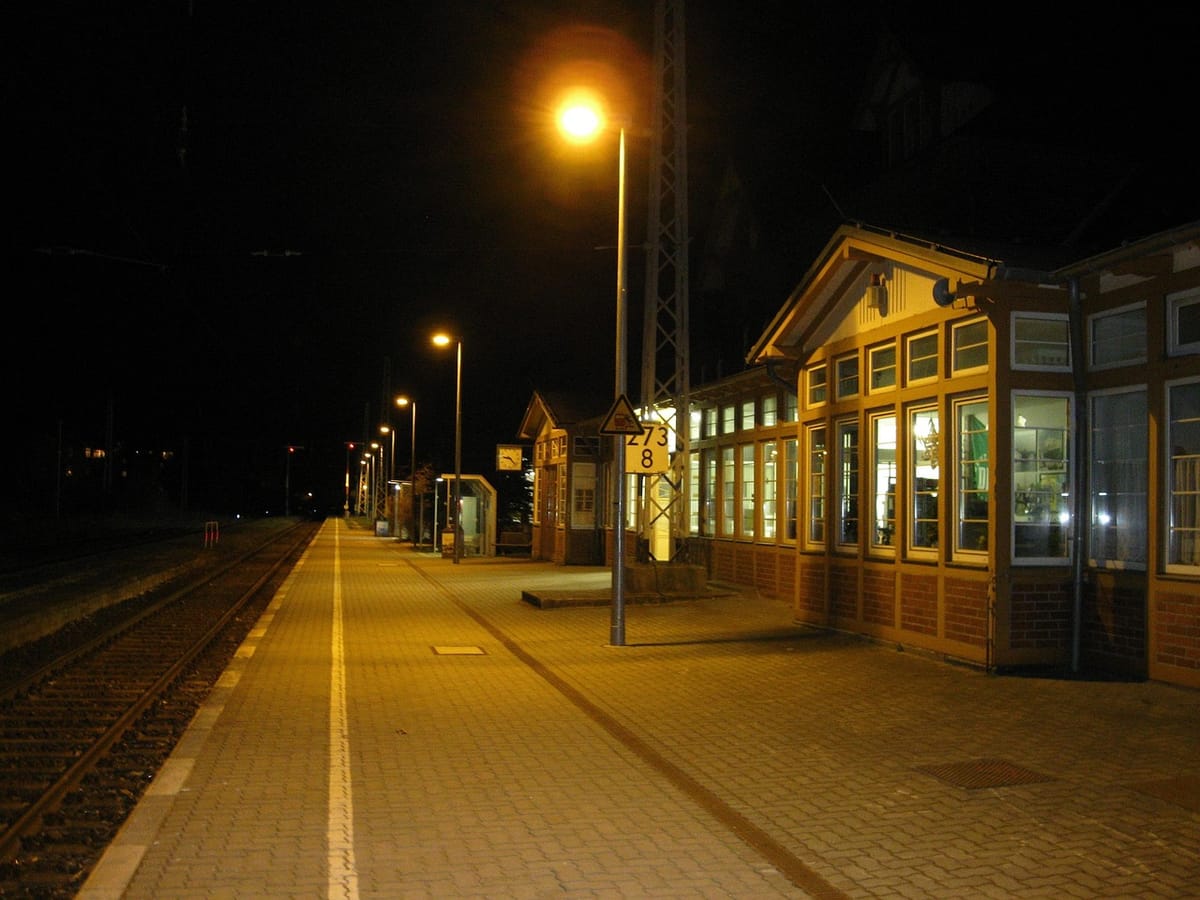
The last train to Hollin leaves at 11:52, and nobody takes it who does not have to.
Maud Ferris had taken it every Friday for thirty years. She knew the carriage with the broken heater, and the one where the lights flickered after Stannard, and the conductor who sang under his breath, and the one who did not. She knew where the line crossed the river twice, and where it ran so close to the backs of houses that you could see into kitchens, a woman washing a pan, a boy doing homework at a table, gone.
Tonight there was snow in the forecast and a stranger in her seat.
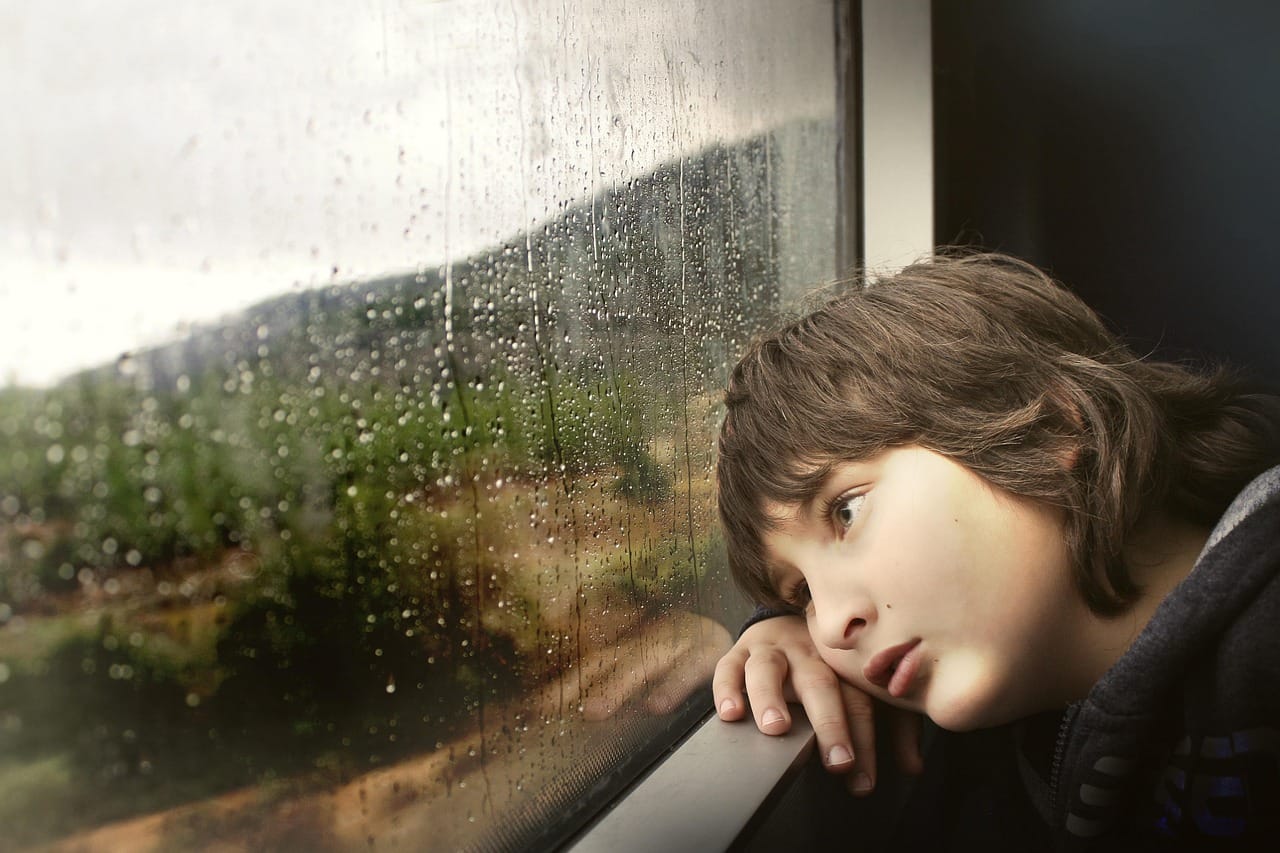
He was about her own age, which was sixty-eight. He had a grey coat and a paper bag of clementines and a book face-down on his knee. It was the seat by the window, facing forwards, second carriage from the front. It had been her seat since 1996. She stood in the aisle and felt ridiculous for minding.
"I'm sorry," he said, looking up. "Is this yours?"
"No," she said. "Of course not." And sat down opposite.
The train left on time. It always did, which was one of the things she loved about it. Outside, the lights of the city thinned and then stopped, and the windows became black mirrors with two old faces in them.
He offered her a clementine. She took one. He was reading a novel she had read in 1974, and she told him so, and told him how it ended, and he laughed, a real laugh, surprised out of him.
"Nobody has ever spoiled a book for me with such confidence," he said.
"You were on page three hundred. You'd have guessed."
"I would not," he said. "I never guess. That's why I read." He closed the book. "Arthur."
"Maud."
"Why do you take the last train on a Friday, Maud? If you don't mind me asking."
She told him the truth, which surprised her. Her sister lived in Hollin. Her sister had been ill for eleven years and did not like visitors in the daytime, when the light was harsh and people could see her face. So Maud went at night, on Fridays, and sat with her until Sunday, and came back on the first train. It had been like that so long it did not feel like sacrifice any more. It felt like the shape of the week.
"And you?" she said.
He looked out of the window, at nothing. "My wife grew up in Hollin," he said. "She died in June. She always wanted us to take this train together, at night, in winter. She said it was the most romantic journey in the country." He smiled. "I told her it was the coldest. We never went."
After Stannard, the lights flickered, as they always did. After the second river crossing, it began to snow.
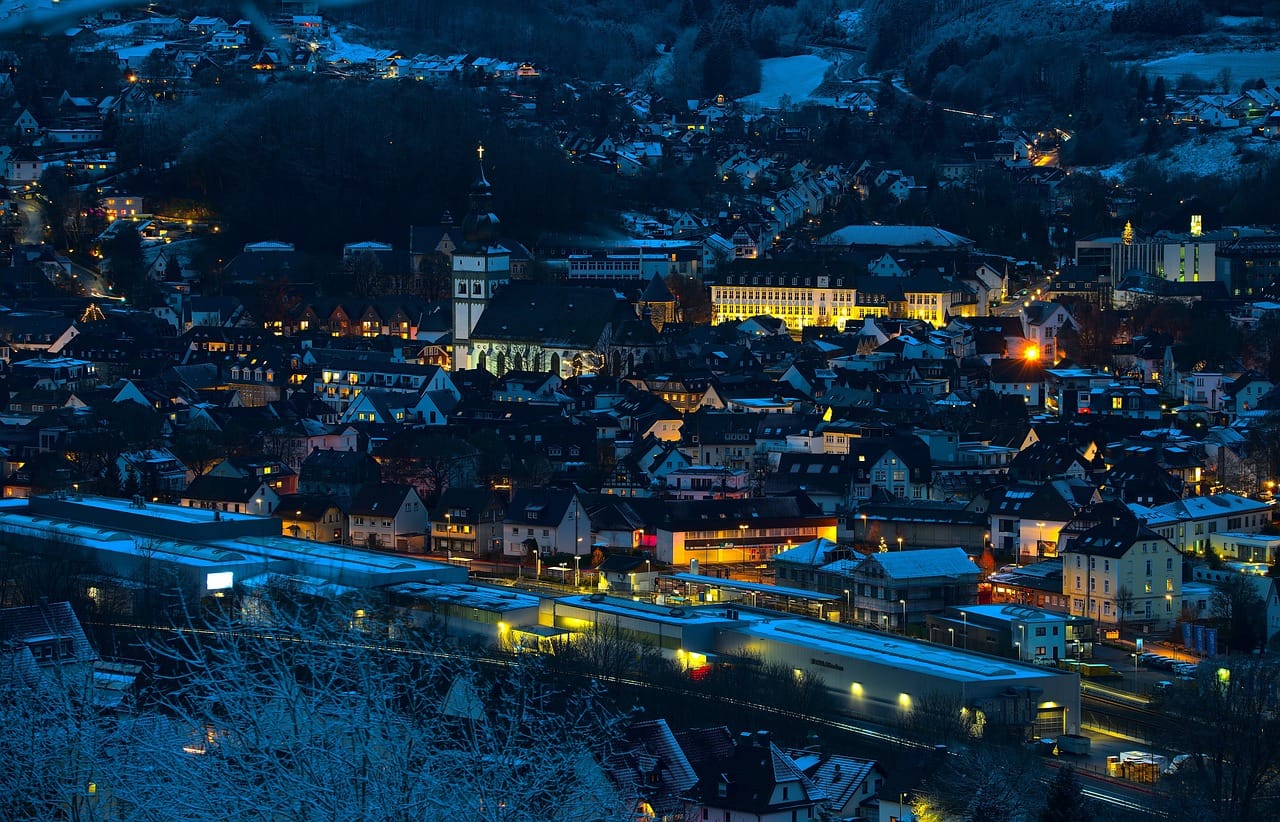
It was the heavy, silent kind. It came out of the dark and struck the window and slid, and the fields beyond turned grey and then white, and the little stations they passed without stopping were like islands, each with one lamp and one bench and nobody on it.
"She was right," Arthur said quietly.
"She was."
They did not talk for a while. The conductor came through, the one who sang, and punched their tickets, and did not sing. He looked at them over his glasses as if he had seen many things on this train, at this hour, and this was one of the good ones.
Some journeys are only for going. The arriving is the least of it.
Amara Okafor
At twenty to one, the train slowed for Hollin. Maud stood and took down her bag. Arthur stood too, without anything to take down.
"Are you getting off here?"
"I thought I'd see it," he said. "The station. She talked about it so much. Then I'll take the first train back, like you."
"The first train is at six."
"Then I'll wait."
She looked at him, an old man in a grey coat with a bag of clementines, prepared to sit five hours on a bench in the snow because his wife had loved a place he had never seen. She thought about her sister, who would be awake, as she always was, with the lamp on low and two cups set out, and the chair by the fire that had been Maud's chair for thirty years.
She thought, too, about the thirty years of Fridays. About how she had never once, in all that time, spoken to anyone on this train except the conductors. About how the seat by the window had been hers because nobody else had wanted it, and how she had mistaken that, for a very long time, for a kind of belonging.
"My sister makes terrible tea," she said. "But her house is warm. And she likes to meet people at night, when the light is kind."
He looked at her for a long moment. Snow was catching in the doorway of the carriage.
"Are you sure?"
"No," said Maud. "Come anyway."